
Vessel access
Plan practical maritime access, approach, landing options and movement of people and equipment to the field site.
Panama conservation
Vessel-supported conservation fieldwork integrating remote access, equipment, local logistics and survey support in an isolated tropical operating environment.
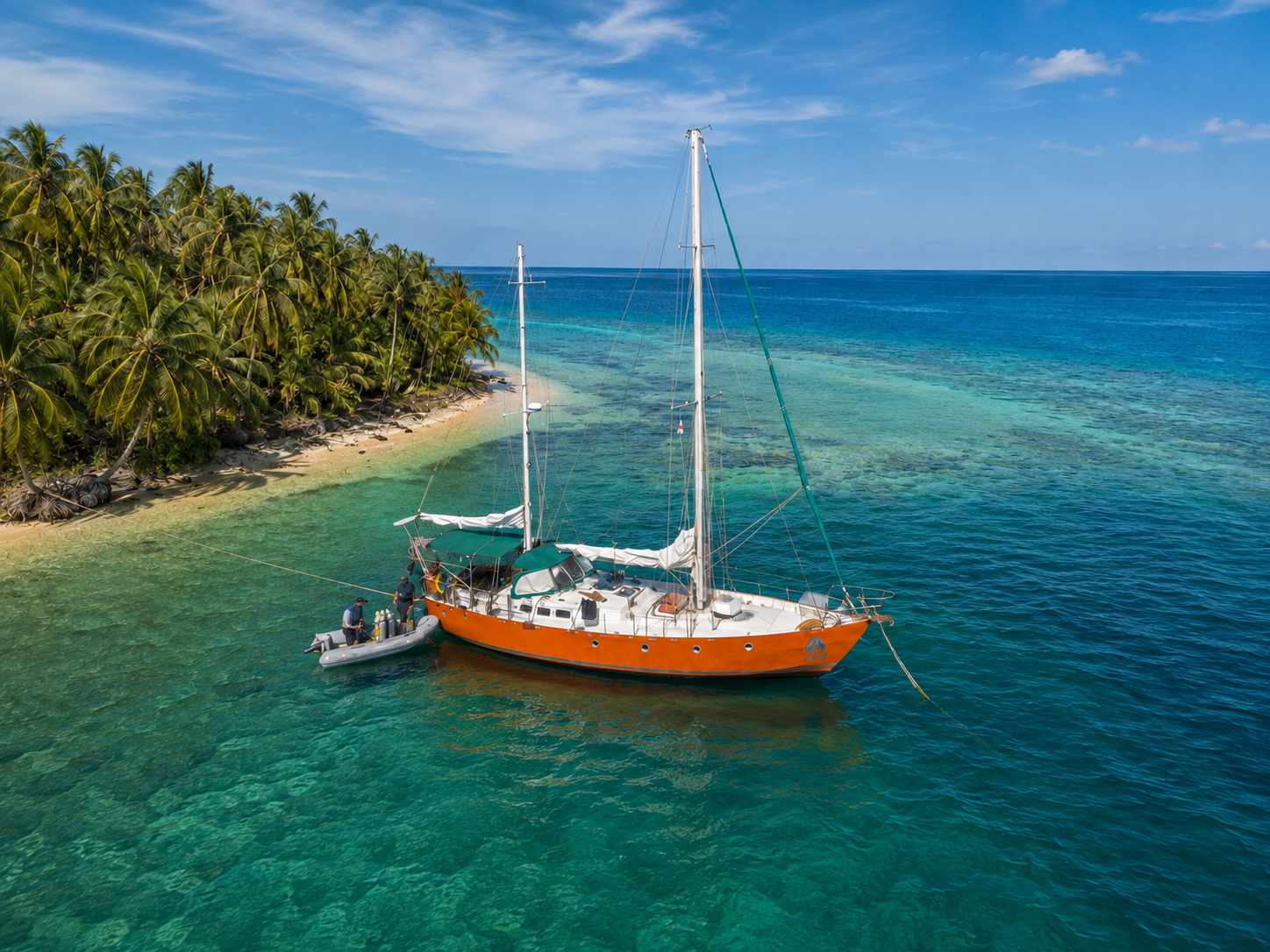
Vessel-supported field delivery — Escudo de Veraguas, Panama
The requirement
Remote conservation work depends on more than the survey activity itself. Access, vessel capability, field equipment, local support, communications, weather, timing and recovery arrangements all have to work together before useful fieldwork can begin.
The Escudo de Veraguas expedition required vessel-supported access to a remote island environment, integration of field equipment and local logistics, and practical support for conservation survey activity in an area with limited infrastructure.
Delivery scope
Plan practical maritime access, approach, landing options and movement of people and equipment to the field site.
Coordinate survey equipment, personal gear, communications and supporting field resources required for the operation.
Integrate local transport, supplies, contacts and practical support into the expedition plan.
Support researchers and survey activity with access, movement, equipment and operational coordination.
Maintain practical communications, weather awareness, fallback options and recovery planning for a remote operating environment.
Coordinate changing field requirements, vessel movements, access and logistics as the operation progressed.
The scientific or conservation objective can only be delivered if the team can reach the site, move equipment, maintain communications and operate safely within the realities of the environment.
Vessel approach, landing and movement between maritime and field environments.
Survey gear, communications, personal equipment and supporting resources.
Supplies, transport, contacts and practical logistics integrated with the expedition.
Contingency, weather, communications and return arrangements maintained throughout the operation.
Field delivery
Translate the field requirement into a practical access and movement plan.
Keep personnel, equipment and logistics aligned with changing survey needs.
Maintain recovery, equipment accountability and close-out arrangements from the start of the operation.
What this demonstrates
A technically useful field objective still has to be reachable with the available vessel, landing options and environmental constraints.
Equipment, supplies, communications and local support must be planned around what the researchers actually need to deliver.
Remote operations require flexible decision-making as weather, access and field priorities change.
Conservation + field support
The Panama expedition demonstrates BMP experience supporting conservation work where maritime access, field logistics and survey requirements have to be treated as one operating problem rather than separate tasks.
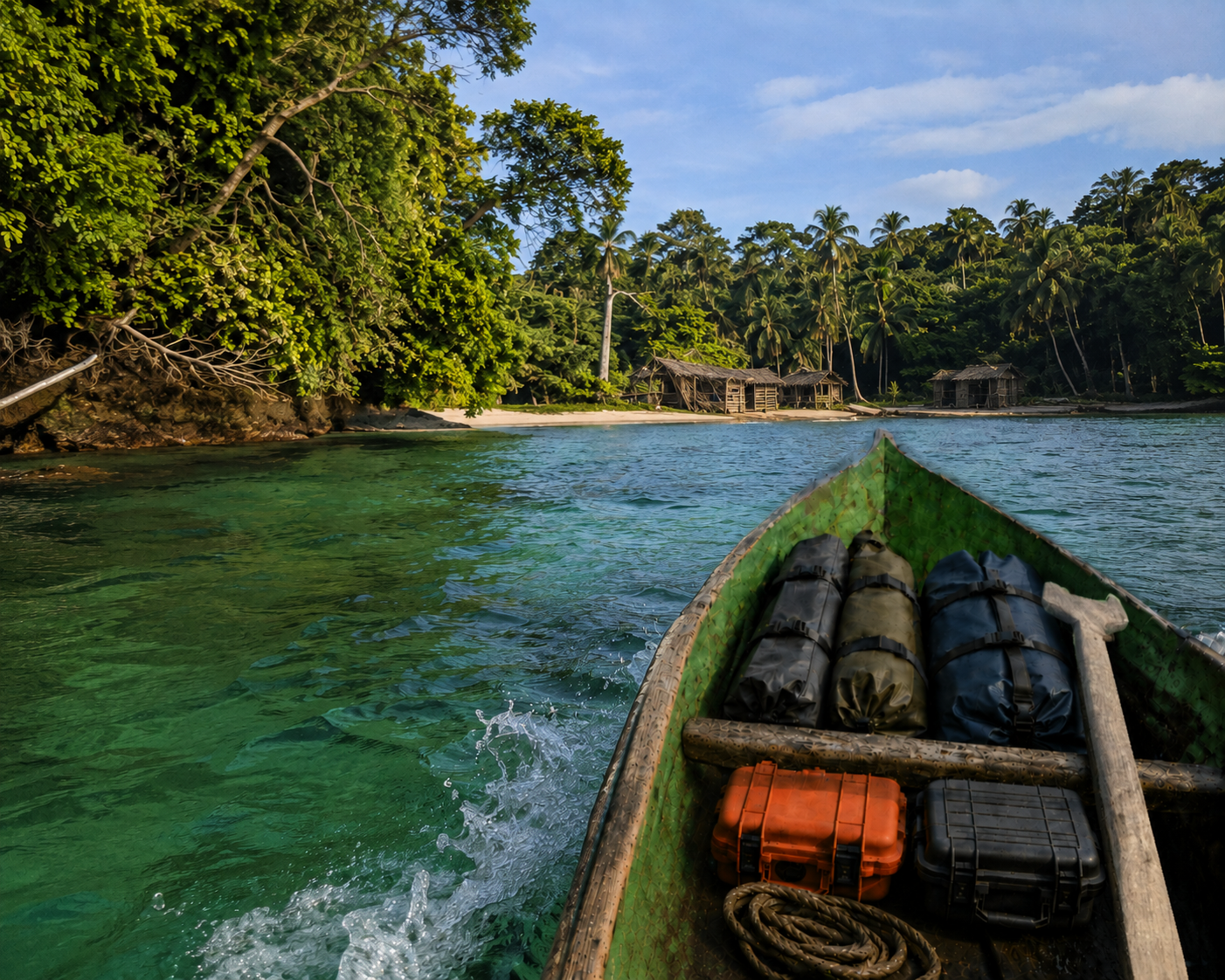
Use vessel capability to reach and support isolated field locations.
Coordinate people, equipment and survey requirements ashore.
Maintain logistics, communications and recovery support throughout field activity.
Field evidence + media
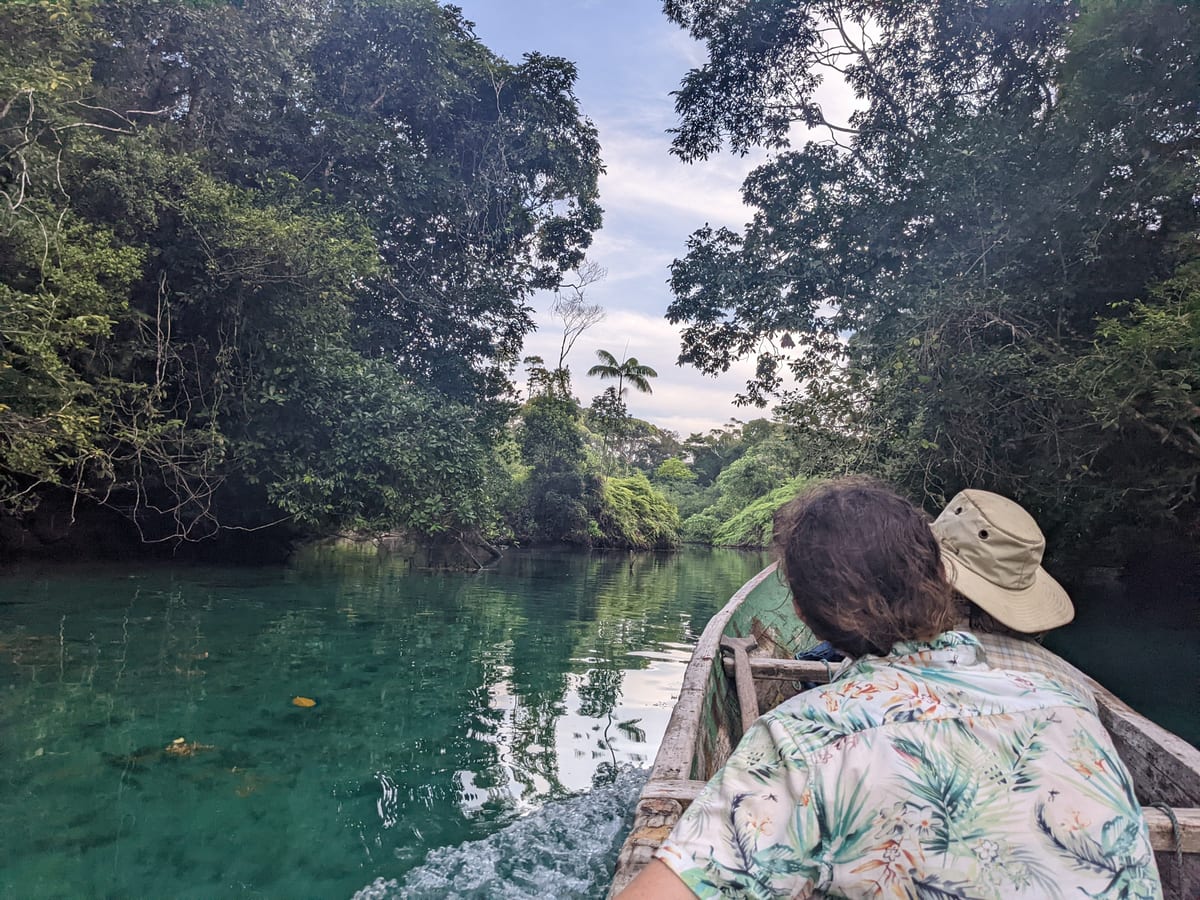
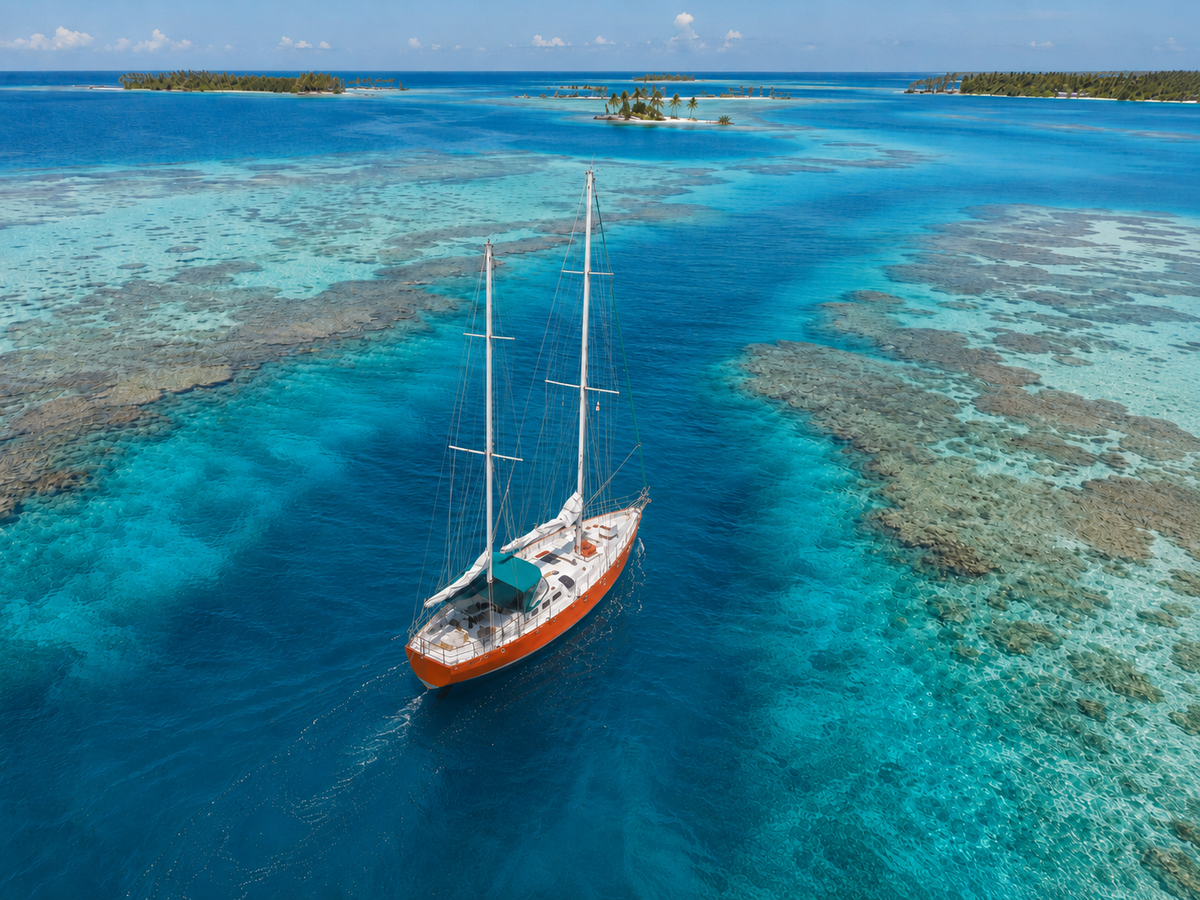
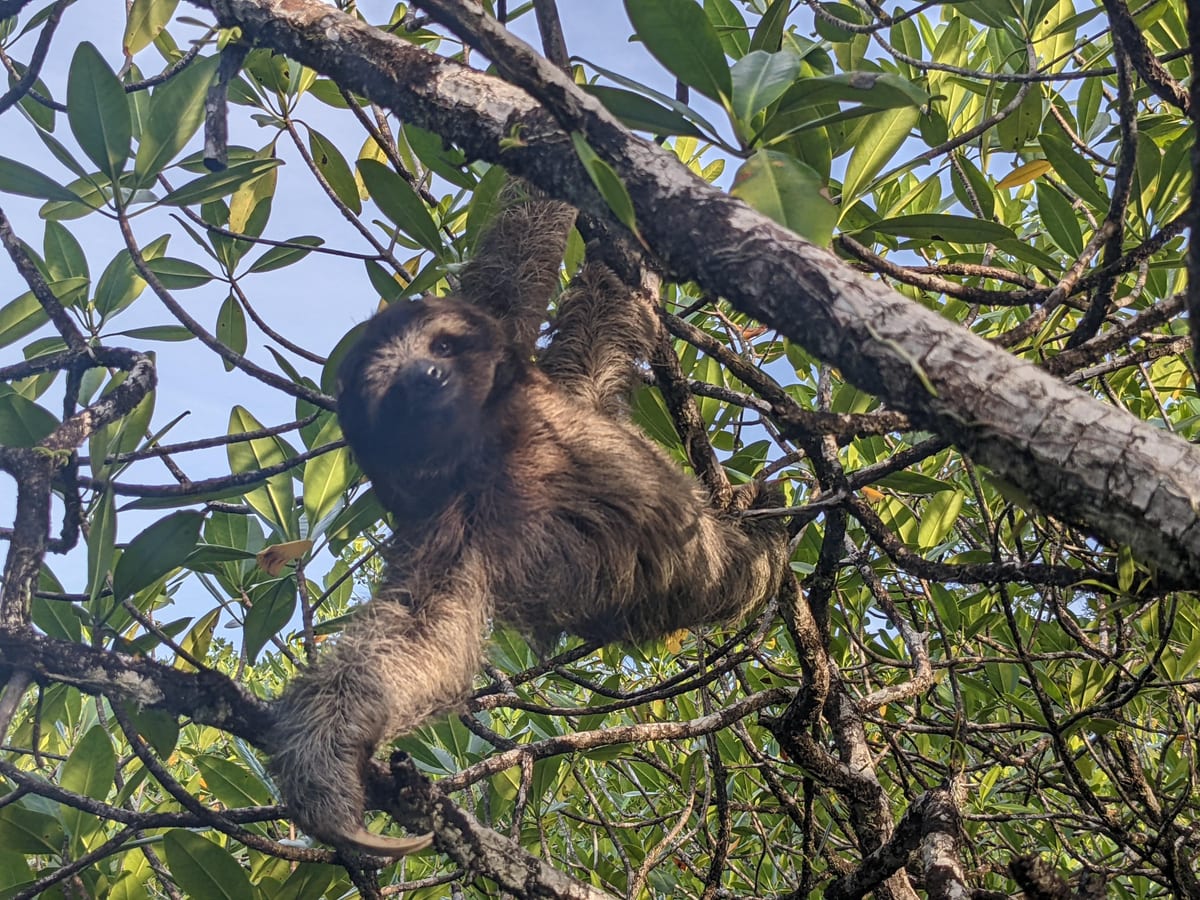
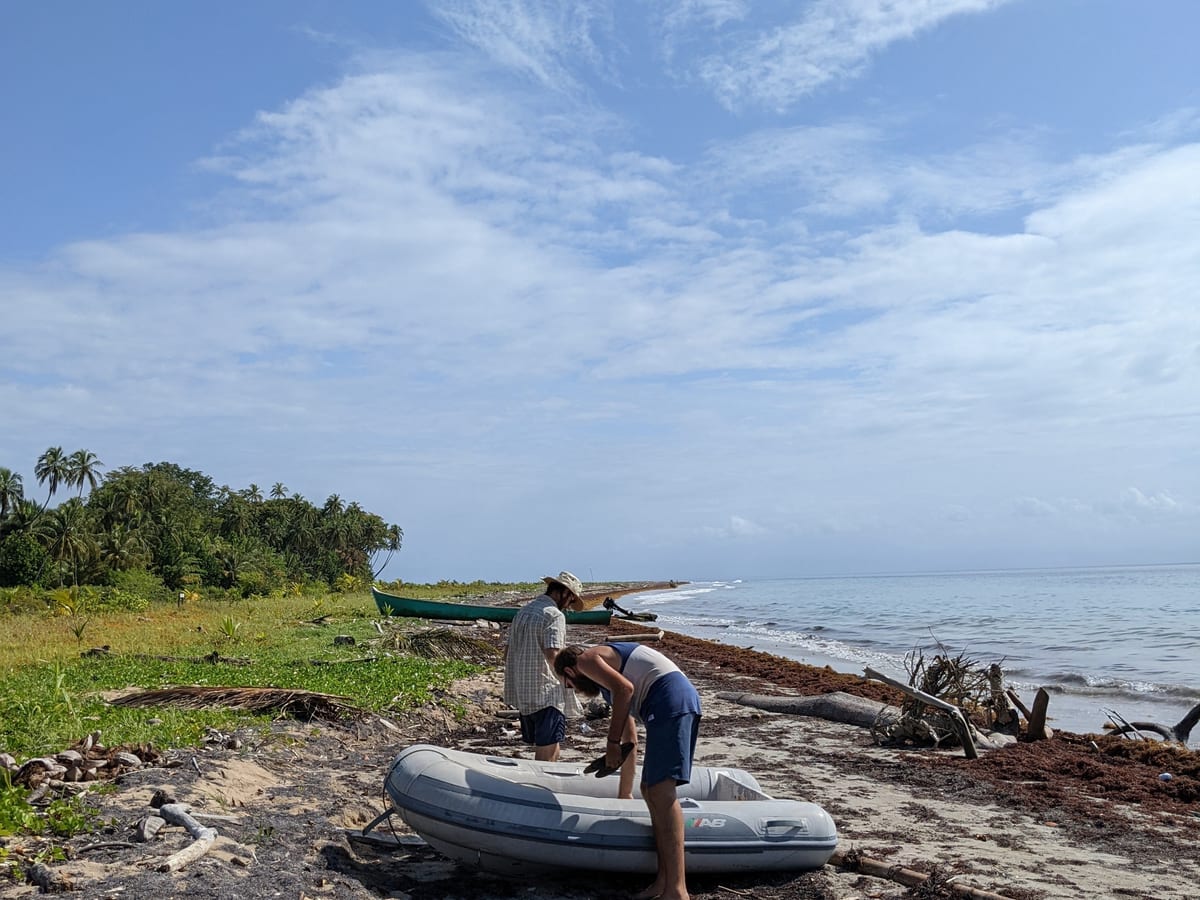
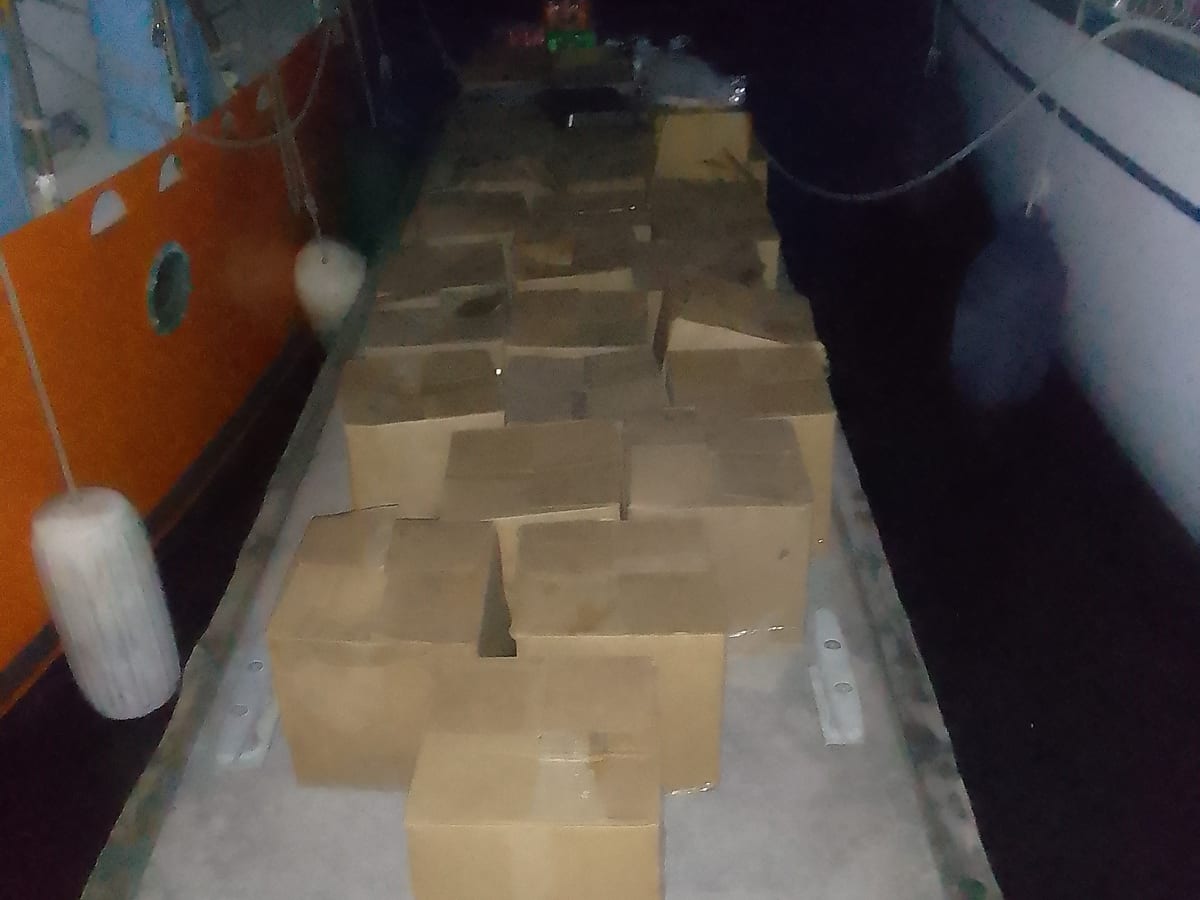

BMP Maritime can support access planning, vessel coordination, field logistics, equipment, local support and practical delivery in remote maritime environments.
Discuss a project